

The outer shell of a building performs several critical functions simultaneously, acting as a decorative element, a thermal barrier, and a shield against environmental factors. When selecting exterior siding, homeowners must evaluate not only the visual appeal of the panels but also their physical properties, such as resistance to UV radiation, moisture absorption rates, and mechanical strength. Modern engineering has allowed for the creation of composite materials that effectively mimic natural textures while offering significantly better durability than traditional wood or stone.
Choosing a reliable partner for your renovation is the first step toward a long-lasting facade. Experts like Family Siding provide the necessary technical support to help property owners navigate the vast array of available materials and profiles. Professional consultation ensures that the chosen cladding system matches the specific structural requirements of the building and the local climatic conditions. A well-chosen system, installed according to manufacturer specifications, can extend the life of the underlying walls by preventing rot and structural degradation caused by moisture infiltration.
Detailed Classification of Siding Materials
To make an informed decision, it is essential to understand the structural composition of the most common cladding types. Each material reacts differently to temperature changes and physical impact.
Polymer-Based Solutions (Vinyl)
Vinyl panels are manufactured using polyvinyl chloride (PVC) resin mixed with stabilizers and pigments. This material is favored for its flexibility and weight. Vinyl siding does not require periodic painting because the color is integrated throughout the thickness of the panel. However, installers must account for its high coefficient of thermal expansion to avoid warping.
Composite Fiber Cement
This material consists of a mixture of Portland cement, refined sand, and cellulose fibers. It is renowned for its fire-resistant properties and its ability to withstand extreme impacts. Fiber cement is virtually immune to termite damage and rot, making it an ideal choice for humid or coastal regions where moisture is a constant threat.
Metallic Cladding Systems
Aluminum and galvanized steel are the primary metals used in modern siding. Metal is non-combustible and offers a sleek, contemporary aesthetic. Steel siding is particularly valued for its rigidity, which prevents sagging over large wall surface areas, while aluminum offers superior corrosion resistance.
Comparative Performance Table
| Material Type | Service Life (Years) | Resistance to Fire | Maintenance Needs | Energy Efficiency |
| Vinyl (Standard) | 20 – 25 | Low | Minimal | Low-Moderate |
| Fiber Cement | 40 – 50 | Excellent | Periodic Painting | Moderate |
| Engineered Wood | 30 – 40 | Moderate | High | Moderate-High |
| Steel / Metal | 45+ | Excellent | Minimal | Low |
Technical Features of the Installation Process
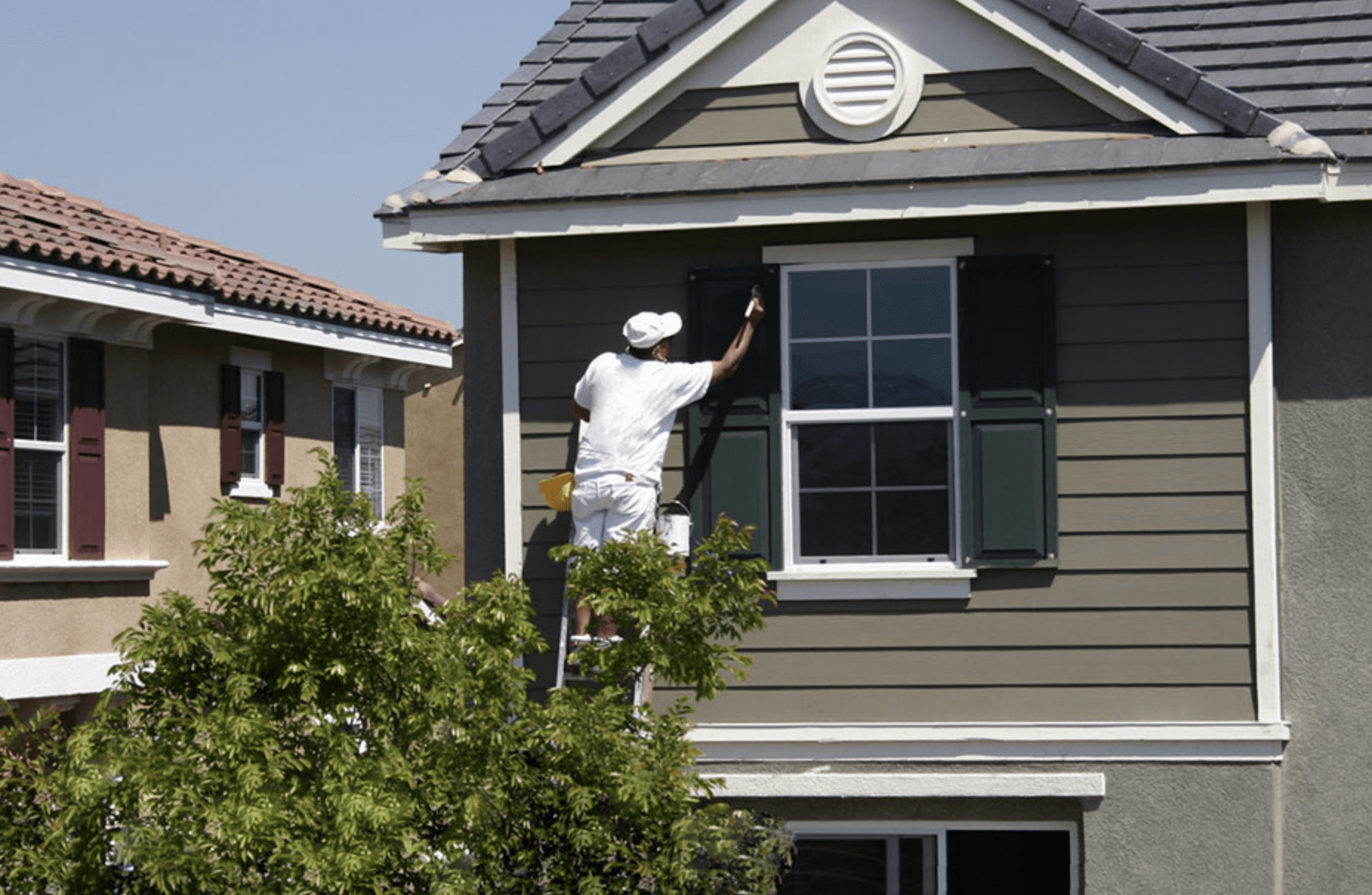
The performance of exterior siding is largely determined by the quality of the substrate preparation and the precision of the fastening techniques used during the construction phase.
Substrate Preparation and Ventilation
Before applying any cladding, the wall must be perfectly flat and covered with a high-quality weather-resistive barrier (WRB). This membrane allows the house to “breathe” by letting moisture vapor escape from the interior while blocking liquid water from the outside. In many modern installations, a “rainscreen” system is used, which creates a small air gap between the barrier and the siding. This gap facilitates drainage and prevents the buildup of mold.
Fastening Standards and Thermal Movement
One of the most frequent errors in siding installation is “over-nailing.” Most siding materials, particularly polymers and metals, expand and contract as temperatures fluctuate.
- Centering Fasteners: Nails must be placed in the center of the pre-punched slots to allow the panels to slide horizontally.
- Nail Depth: A gap of approximately 1/32 to 1/16 of an inch should be left between the nail head and the siding surface.
- Starter Strips: The entire project depends on the first row. If the starter strip is not perfectly level, every subsequent row will be misaligned, leading to visual defects and potential water leaks.
Optimizing Facade Longevity Through Maintenance
While modern siding is designed for durability, its lifespan can be maximized through proactive care. Regular cleaning with a garden hose (avoiding high-pressure washers) removes corrosive pollutants and organic growth like algae. It is also vital to inspect the sealant and caulking around windows, doors, and utility penetrations at least once a year, as these are the most common points of water entry.
Regional Selection and Expert Implementation
The local environment dictates which siding material will perform best over the long term. In areas characterized by extreme temperature swings and heavy snowfall, the structural integrity of the cladding system is tested daily. Selecting the right contractor is crucial for ensuring that the installation meets the rigorous demands of the local weather. If you are planning a project for siding in Calgary, it is essential to prioritize materials that can withstand rapid freeze-thaw cycles without cracking or losing their protective properties. A professional approach guarantees that your home remains energy-efficient and aesthetically pleasing, regardless of the harsh environmental conditions it may face.