

Calgary is increasingly establishing itself not only as a scientific and economic powerhouse but also as a vibrant cultural city. Here, art frequently moves beyond the confines of museums and galleries, integrating directly into the urban space. Innovative cultural projects are successfully blending cutting-edge technology, eco-friendly approaches, and active community participation. This article on calgary-future explores how Calgary is transforming its cultural landscape, making it open, inclusive, and modern.
Digital Technology in Art
Digital technologies are being integrated into Calgary’s art scene, opening up new avenues for both artists and audiences. Contemporary artists are utilizing virtual and augmented reality, interactive installations, digital projection, and 3D modelling to create truly unique experiences.
A prime example is the 2024 large-scale exhibition, “Digital Voices,” held at Confluence Park. The exhibit featured eight Indigenous artists chosen for their mastery of digital art or art that utilizes technological tools.
This exhibition was part of the Indigenous Art Program, an initiative aimed at addressing the lack of Indigenous presence in the city’s art collection. As of 2024, Calgary’s public art collection contained 1,300 works, but less than three percent were created by Indigenous artists.
This is a powerful example of how digital technologies can serve as a tool for cultural equity and social change. Through “Digital Voices,” Indigenous artists were given a platform to showcase their creativity and an opportunity to assert their identity using modern mediums that resonate deeply with the younger generation of viewers.
City museums and galleries are also actively implementing digital technology to enhance accessibility. For instance, during the pandemic, Calgary museums conducted virtual tours and organized online exhibitions. Furthermore, today, almost all museums are digitizing their artworks. This not only eases access to cultural heritage but also aids significantly in its long-term preservation.
Art in the Public Realm
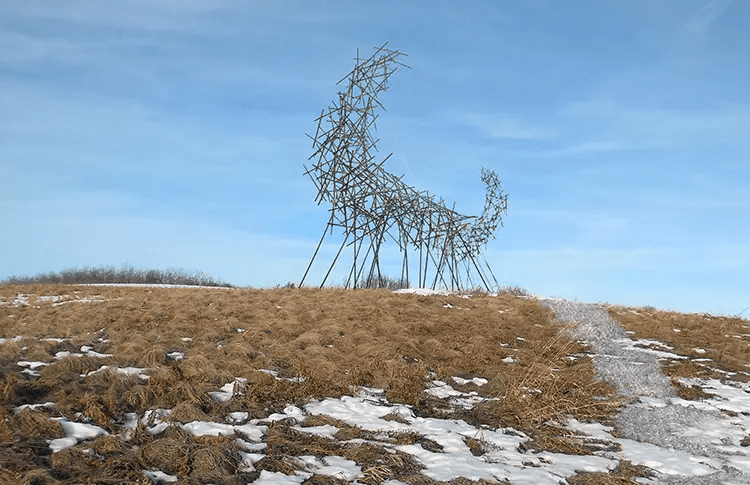
Public art allows us to better connect with the city we call home, transforming landscapes and adding intrigue to everyday life. Public art in Calgary also reflects the community’s values and helps shape the city’s identity. Calgary actively collaborates with Calgary Arts Development, the organization responsible for commissioning new public artworks.
Art installations are placed in parks, plazas, on bridges, at transit hubs, and in business centres, making art an inseparable part of the urban infrastructure. Exhibits across the city tell the story of Calgary’s history, local traditions, and the customs of Indigenous peoples.
While most works are concentrated in the downtown core, you can also encounter pieces in areas like Country Hills or Seton. For example, in the northeast at the Vivo Recreation Centre, you can view a series of abstract paintings by Barbara Amos.
Near the Airport Trail and Deerfoot Trail interchange in the northeast, you’ll find the “Giant Blue Ring,” a sculpture that symbolizes Calgary’s active dynamic energy. This simple yet monumental piece stands out dramatically against the urban backdrop.
Educational Initiatives and Science
Significant attention is given to educational initiatives that help citizens see how science and art can interact. These are not just cultural events, but a method of introducing the community to the most advanced technologies.
Local museums organize workshops for children and youth, where participants can explore digital art, learn to work with 3D modelling, algorithms, and more. Museums also hold lectures and discussions for adults on various interesting topics. For example, Contemporary Calgary focuses heavily on the theme of artificial intelligence (AI), periodically hosting lectures and workshops to demystify the topic, such as the discussion titled, “From HAL 9000 to ChatGPT: The Lives and Failures of AI Systems.”
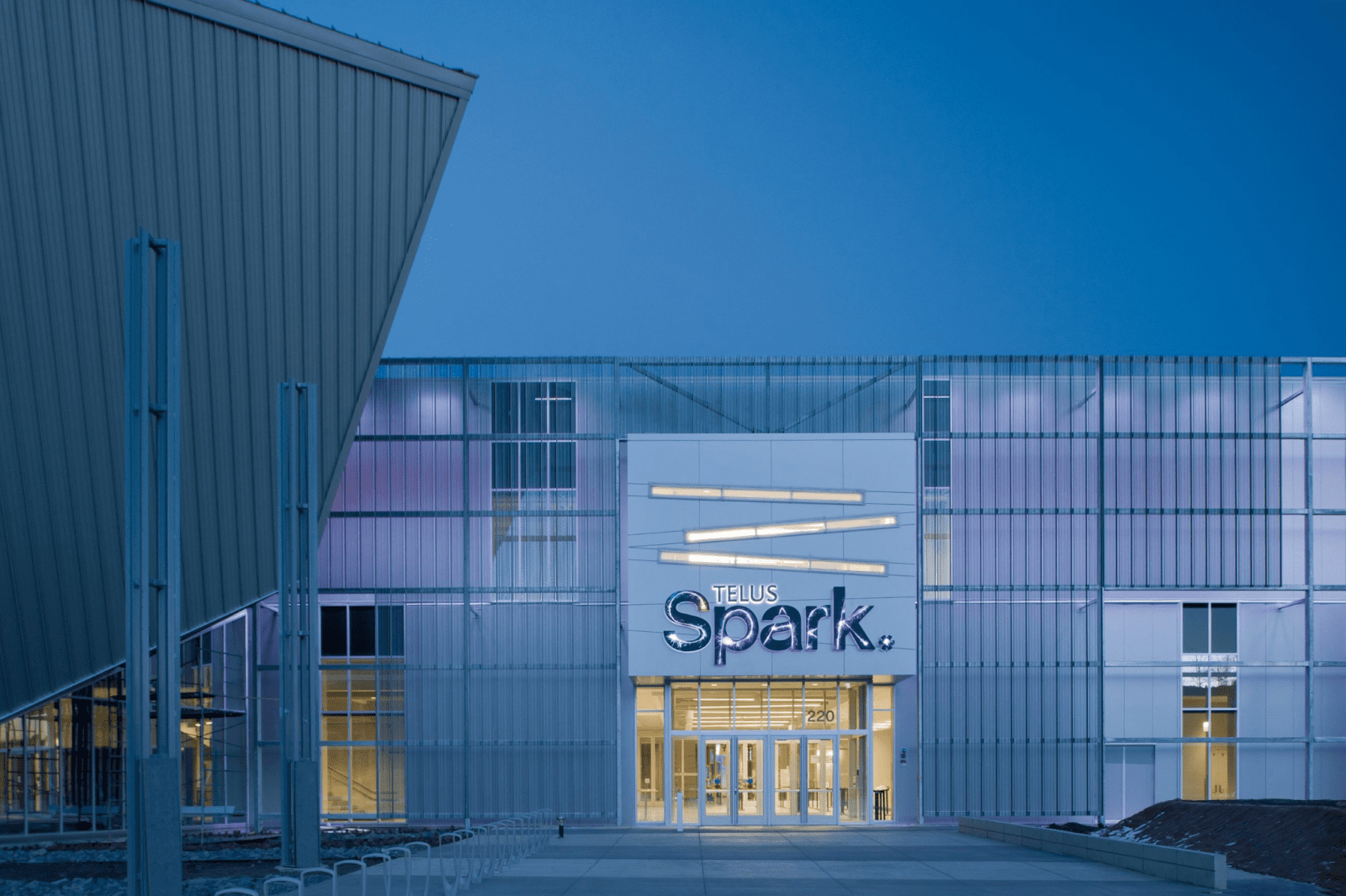
The Telus Spark Science Centre is a superb example of how science and art can combine. This modern research and educational centre actively engages with the local community, creating an interactive space for children and adults. It often merges scientific experiments with artistic practices, hosting highly creative exhibitions where visitors can actively engage with the exhibits.
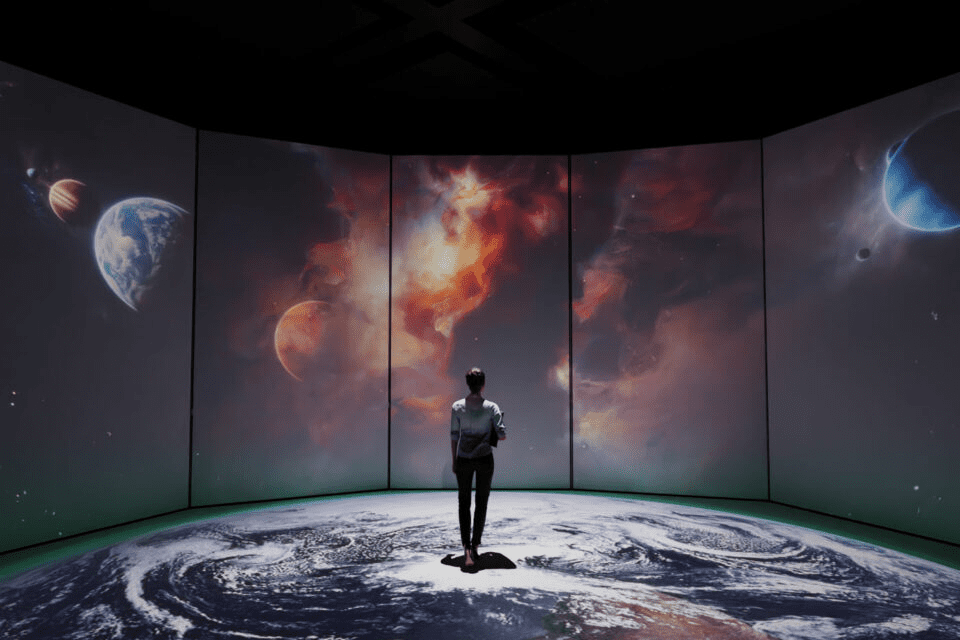
The centre features a 3,000-square-foot digital immersion gallery that allows visitors to dive into beautiful digital narratives and experiences. Here, incredible sights, stories, and characters help science virtually come to life through the power of art.
In conclusion, Calgary demonstrates how a modern city can successfully integrate science, art, and digital technology. This collaboration is creating an open and interactive space, making both science and art more accessible and understandable for the public. Innovative exhibitions, educational programs, and public art not only enrich the lives of residents but also foster a vital dialogue between the community, technology, and cultural heritage.