

Throughout its history, Calgary has consistently strived to implement modern solutions that enhance the quality of urban life. The launch of the city’s first streetcar system was one such solution. It wasn’t just a technical achievement; it marked a true cultural shift, making city travel significantly more convenient and accessible. In this calgary-future article, we’ll explore the city’s inaugural streetcars and trace the evolution of Calgary’s transportation story.
The Earliest Streetcars
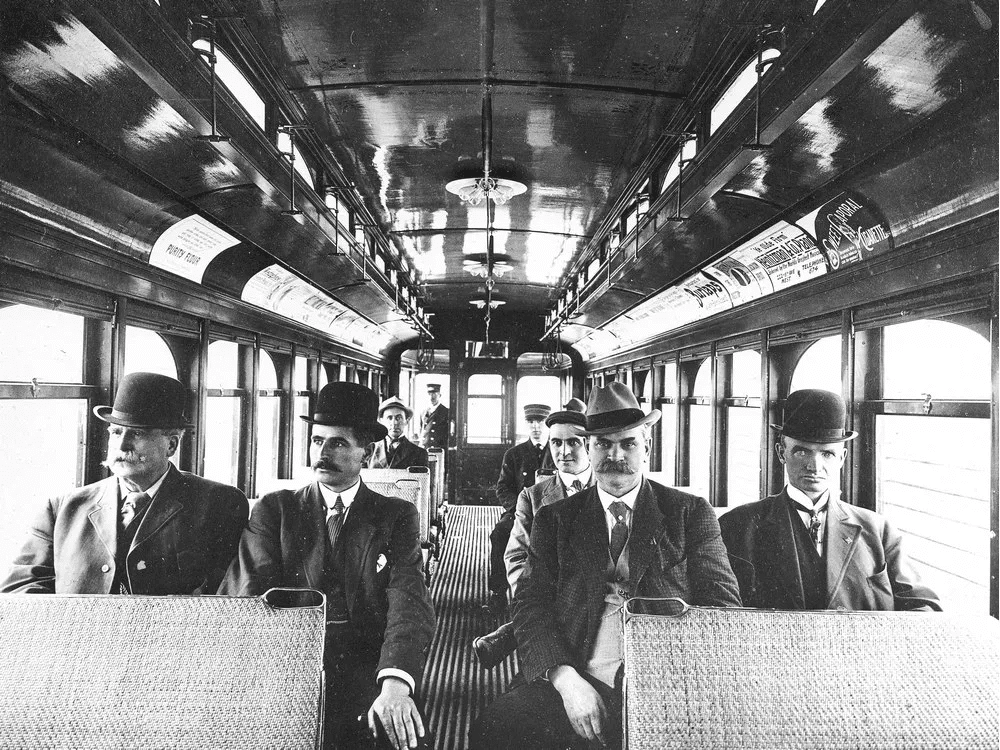
Starting in 1907, the city underwent massive preparations for the streetcar launch: tracks were laid, roads were paved, new bridges were built, and old ones were replaced. Real estate along the proposed streetcar routes became highly sought after and more expensive than in other districts.
The first streetcar officially launched in 1909, coinciding with the establishment of the Calgary Street Railway company. This initial line transported people from the downtown core directly to the Stampede Exhibition Grounds. Soon after, the city, with a population of just 30,000, was being served by a fleet of 12 electric streetcars.
The system rapidly expanded to encompass 14 routes. Streetcars ran with high frequency—every 10 minutes or even more often. This dense network covered all the central arteries that are still our main thoroughfares today: Kensington Road and 10th Street NW, Stephen Avenue, 17th Avenue, and 4th Street SW, as well as 9th Avenue in Inglewood. All of these key routes owe their early popularity and growth to the original streetcar lines.
What Came Next
The First World War brought the economic boom to a halt. Later, the end of the Second World War and the subsequent oil boom breathed new life into the city. By that time, however, streetcars were considered an outdated mode of transport. A massive modernization effort followed. The transit company was renamed the Calgary Transit System, and by 1946, new buses and electric trolleybuses appeared on the streets. Streetcar lines began to be phased out in 1947, with the last streetcar arriving downtown from Ogden on December 27, 1950.
The new transportation system featured a network of main lines using electric trolleybuses and suburban lines served by buses. These routes were adjusted as new neighbourhoods sprang up across the city. By 1951, the city’s transit system consisted of 19 routes, growing further to 24 by 1956.
Simultaneously, an automotive culture began to dominate the city. Despite the population increase, the number of public transit riders dropped sharply. Over the following years, public transit had to adapt to citizens’ evolving needs. By the 1970s, “Pennant” buses were carrying passengers to the distant suburbs, and “Blue Arrow” buses operated throughout the city. The electric trolleybuses eventually met the same fate as the streetcars and were also discontinued. Around this time, construction began on what would become the CTrain network.
The CTrain
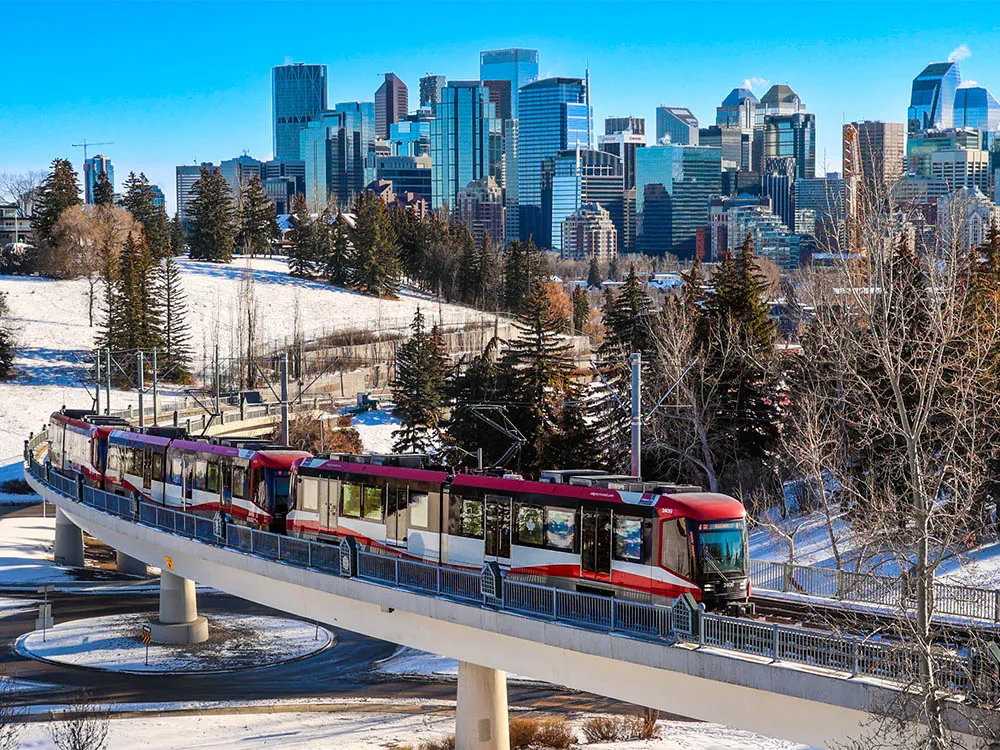
The first CTrain rolled out on May 25, 1981, and since then, the light rail transit (LRT) system has quickly become the backbone of Calgary’s transportation. The initial line covered 16 stations from Anderson to the city centre. Today, the CTrain serves the downtown core and the suburbs, providing fast and reliable transit, and is an environmentally friendly alternative to driving. Residents continue to use buses, particularly in areas not serviced by LRT stations.
Remarkably, most of the original streetcar routes still exist in some form today. For instance, the first CTrain line largely mirrored the first streetcar route, and the proposed Green Line is similar to the old streetcar route that ran to Ogden. There have been discussions in Calgary about reinstating modern streetcars, and the Max Purple BRT (Bus Rapid Transit) was even designed with this idea in mind. For a taste of history, the city still maintains a historical streetcar you can ride at Heritage Park.