
In a modern world dominated by weightless glass skyscrapers and complex parametric designs, Brutalism is often perceived as an echo of a bygone era. It continues to stir polarized emotions: to some, these structures are gloomy concrete behemoths casting a shadow over the urban landscape; to others, they represent a bold, uncompromising, and deeply honest form of architecture that refuses to hide its essence behind decorative facades.
Calgary, a fast-paced and dynamic Canadian city nestled in the heart of the vast Alberta prairies, was no exception to this global architectural wave. For decades, its urban fabric was shaped by powerful economic booms. It was during the whirlwind 1960s and 1970s that monumental infrastructure arose here—landmarks that still spark spirited debate among urban planners, historians, and residents alike.
Today, Calgary’s multifaceted architectural heritage cannot be understood without appreciating Brutalism. The style left an indelible mark on the city’s visual identity and spatial logic, capturing the ethos of an era when pure functionality, structural expression, and sheer durability were prized above all else, reports calgary-future.com.
Calgary’s Architectural Heritage: The Era of Concrete and Functionalism
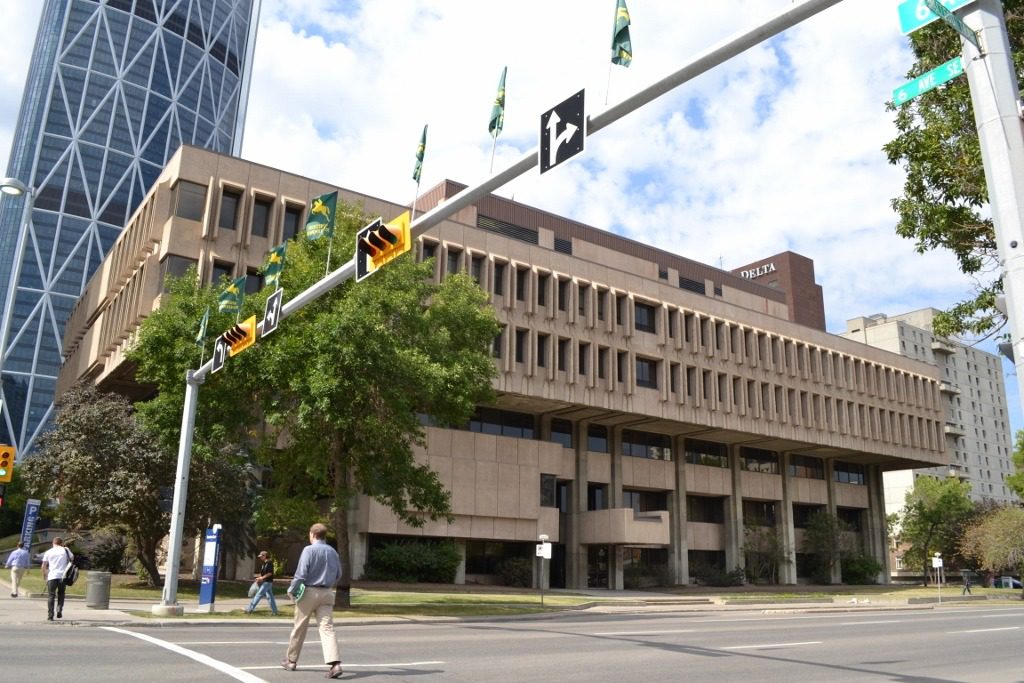
In the post-war decades, Calgary experienced explosive demographic and economic growth fueled by a massive regional oil boom. A rapidly expanding population created an urgent need for administrative, educational, and healthcare facilities—and they had to be built fast.
Enter Brutalism—an architectural movement that originated in Britain and quickly swept across North America. Derived from the French term béton brut (“raw concrete”), the style celebrated a material that was sculptural yet remarkably tough. Concrete proved ideal for crafting bold geometric structures built to endure the harsh prairie climate, with its bone-chilling winters and scorching summers. During this era, Calgary gained buildings that stood as monuments to institutional permanence, fiscal strength, and civic resilience.
Brutalism broke radically with decorative ornamentation, exposing building skeletons and elevating functional purpose. Heavy concrete facades, complex geometries, deep-set windows creating a dramatic interplay of light and shadow, and monolithic profiles defined these new developments. These imposing structures never sought universal affection—they projected confidence and solidity, perfectly matching the ambition of a city rapidly emerging as Western Canada’s economic engine.
Iconic Concrete Masterpieces: Landmark Buildings and Their Creators
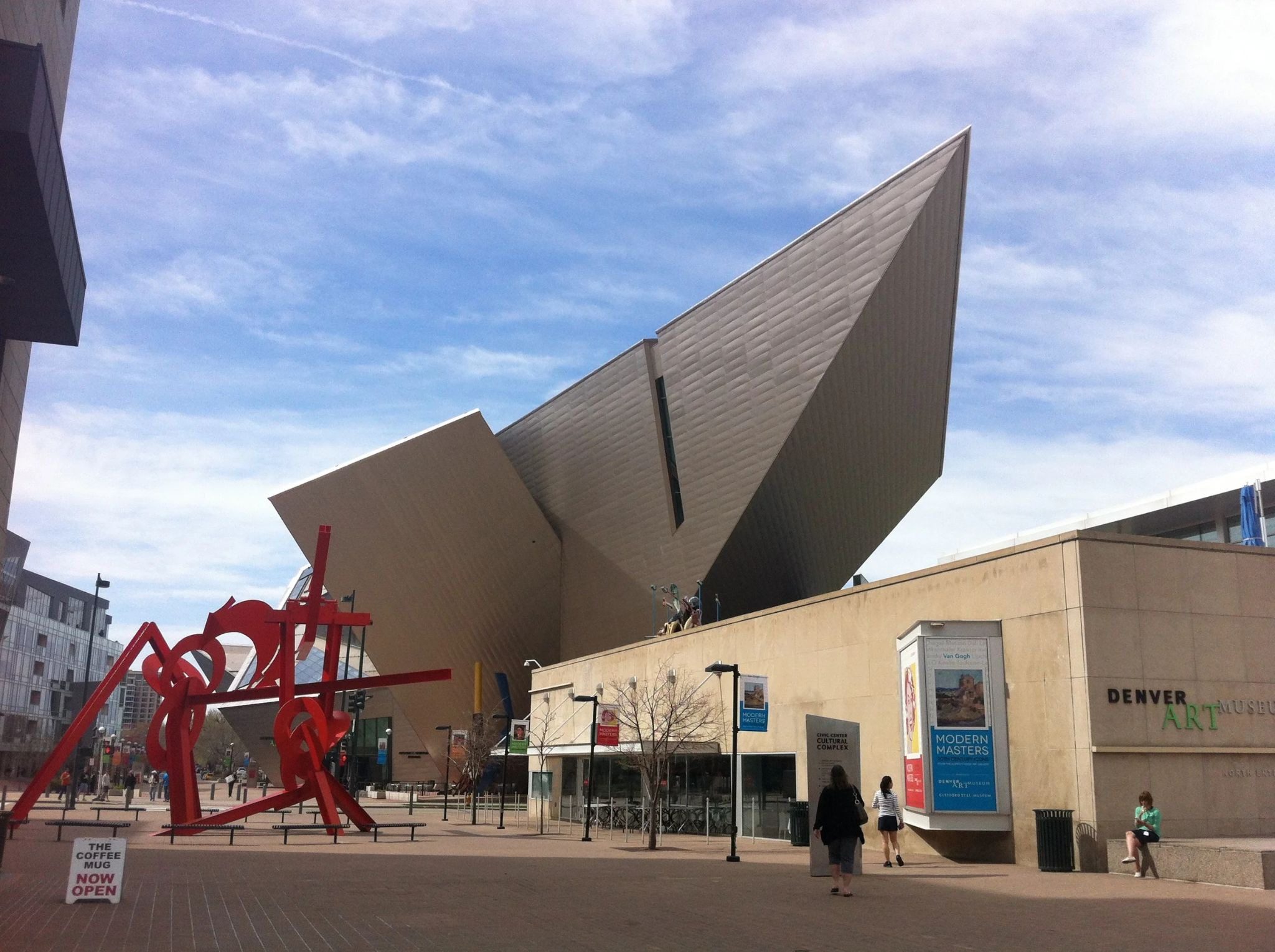
Exploring modern Calgary, one cannot miss the landmarks that became the signature of this unapologetic style. The city’s architectural legacy includes a roster of prominent sites, each with a distinct narrative, specialized function, and unique character. Civic centers, cutting-edge academic institutions, and sprawling healthcare campuses take center stage. To appreciate the scale and historical significance of these projects, it helps to examine their architects and construction timeline.
| Building Name | Year Built | Architectural Firm / Architect | Primary Purpose |
| Former Central Library | 1963 | J. Stevenson & Associates | Cultural & Educational Space |
| Foothills Medical Centre | 1966 | Alberta Public Works | Healthcare |
| Calgary Board of Education Building | 1968 | Stevenson Raines Barrett Hutton Seton & Partners | Administrative Facility |
| MacKimmie Tower (University of Calgary) | 1969 | J. H. Cook Architects | Academic Hub |
| John J. Bowlen Building | 1971 | Alberta Public Works | Government Offices |
MacKimmie Tower, prominently situated on the University of Calgary campus, stands as one of North America’s quintessential examples of academic Brutalism. Its rigid concrete form and vertical structural fins evoke an intellectual fortress dedicated to protecting knowledge. Equally notable is the former Calgary Board of Education Building, completed in 1968.
With its monolithic presence and meticulously balanced, deeply recessed windows, the building once stood as a physical embodiment of civic duty and the institutional strength of Calgary’s public education system.
Another standout is the John J. Bowlen Building, whose repeating geometric patterns project the unwavering authority of government administration. Despite their austere, fortress-like exteriors, these structures were engineered with remarkably efficient interior layouts and extraordinary structural longevity, securing their status as vital monuments of a dynamic era.
Brutalist Public Spaces: Century Gardens and the Glenbow Museum
Brutalism in Calgary went far beyond office towers and civic administrative complexes—it also made its mark on open public spaces and cultural institutions. A fascinating showcase of landscape Brutalism is Century Gardens, an urban park unveiled in 1975 for the city’s centennial thanks to a generous philanthropic gift from the Devonian Group. Designed as an artistic homage to Alberta’s rugged wilderness, the park’s textured, heavy concrete fountains and basins symbolize the Rocky Mountains, while rushing cascades evoke churning alpine rivers.
Despite the prevalence of raw grey concrete, the installation blends seamlessly with lush greenery, providing a tranquil haven right in the core of a bustling downtown.
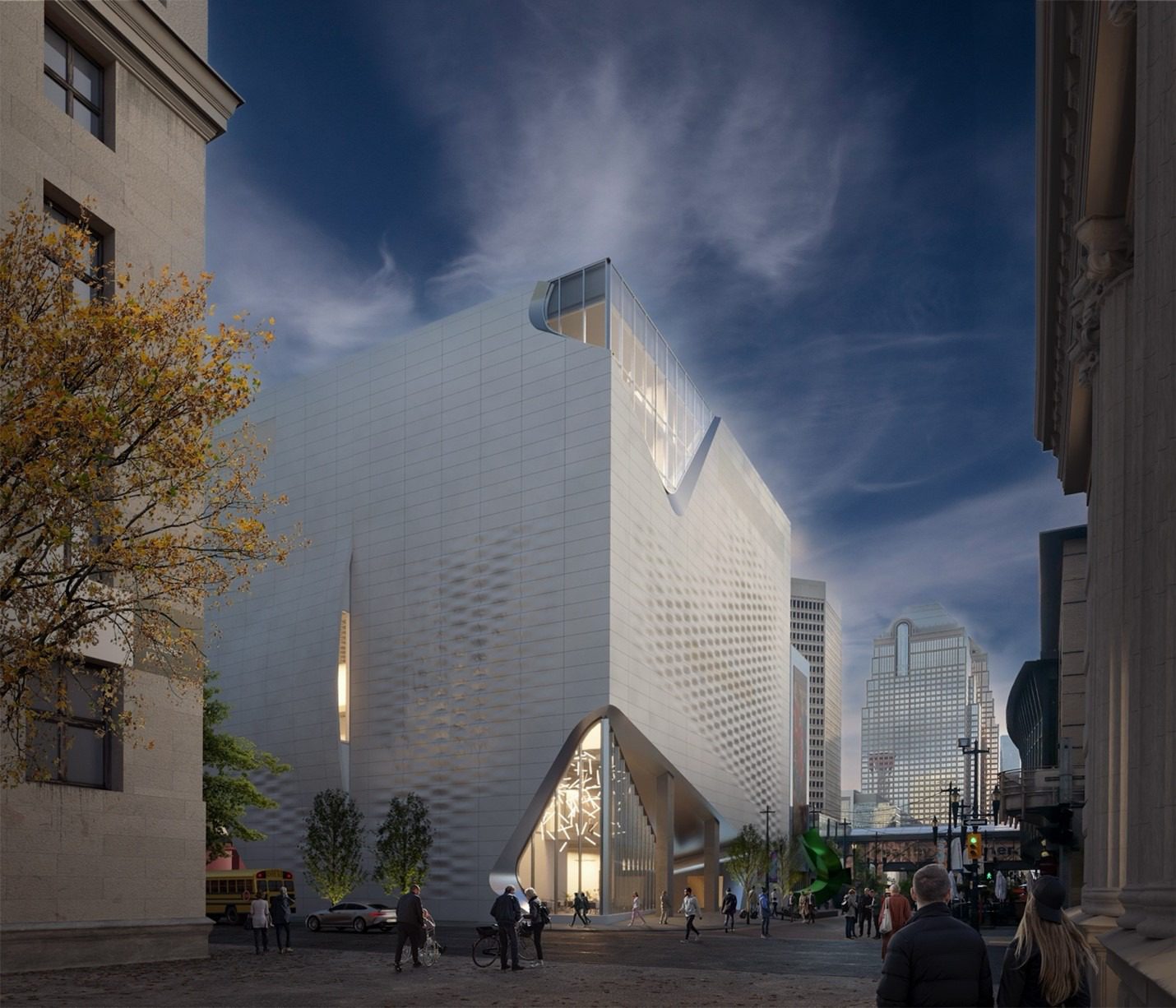
Another cultural landmark is the Glenbow Museum, the region’s premier cultural repository, built in the 1970s. From the outside, the museum resembles an impenetrable concrete bunker, characterized by thick walls, sparse fenestration, and a discreet, recessed main entrance.
This design was born out of practical necessity rather than aesthetic whim. The reinforced concrete superstructure had to support the immense physical weight of vast archival collections while shielding irreplaceable artifacts from external environmental hazards and sunlight.
While many residents long dismissed this concrete giant as cold and aloof, its remarkable structural integrity allowed it to stand for decades without deterioration. Calgary’s distinctive architectural legacy demonstrates that poured concrete can transcend its role as an engineered skeleton to become a vehicle for powerful artistic and conceptual expression.
Modern Rebirth: What Lies Ahead for Calgary’s Architectural Heritage
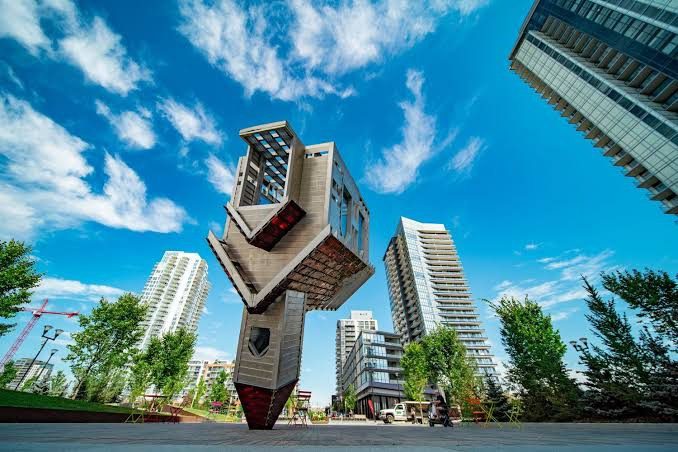
Today, attitudes toward Brutalism are undergoing a profound rethink, both globally and across Calgary. Buildings once targeted for demolition due to their perceived gloominess, visual heaviness, and notorious thermal inefficiency are now celebrated as invaluable milestones in urban history.
Preserving and reimagining these sites poses a fascinating challenge for today’s architects and planners. Calgary’s architectural heritage now stands at a crossroads, balancing the preservation of cultural authenticity with the urgent demand for green, tech-forward modernization tailored to 21st-century standards.
This evolutionary journey is unfolding across several key fronts:
- Adaptive Reuse. Rather than razing robust concrete structures, developers and institutions are repurposing them for contemporary urban life. Former bureaucratic fortresses are being reborn as vibrant creative incubators, specialized healthcare facilities, and academic hubs—all while retaining their distinctive rugged silhouettes.
- Deep Environmental Retrofitting. Historically, Brutalism’s Achilles’ heel was severe thermal loss through uninsulated concrete and outdated glazing. The recent overhaul of MacKimmie Tower has set an international benchmark for converting an aging concrete high-rise into a Net-Zero Carbon building. Engineers preserved the original core by wrapping it in an ultra-modern, high-performance double-skin glass envelope.
- Revitalizing Public Landscapes. Century Gardens recently underwent a sensitive and comprehensive revitalization. Crews meticulously restored the historic concrete water basins while integrating state-of-the-art water filtration systems, replacing aging utilities, and bringing the park up to modern universal accessibility standards.
- Transformation Through Transparency. The multi-million-dollar transformation of the Glenbow Museum involves retaining the massive concrete framework while carving out generous glazed openings and light wells. This intervention dismantles the old bunker vibe, flooding the interiors with natural daylight and creating an open, welcoming visitor experience without erasing the building’s Brutalist lineage.
Ultimately, the prairie chapter of Brutalism is far from closed. Despite its austere beginnings and monolithic weight, this architectural style has proven surprisingly versatile and capable of reinventing itself for the modern era.
Through the ingenuity of innovative engineers, visionary architects, and dedicated preservationists, these concrete monuments are enjoying a well-earned second act.
Today, the rich architectural legacy of Calgary continues to inspire designers worldwide. It serves as an enduring reminder that true urban character often springs from fearless geometry, material honesty, and the artful harmony of heritage preservation with a sustainable future.
Rather than turning its back on a complex architectural past, the city thoughtfully integrates it into the 21st-century cityscape, fostering an ongoing dialogue between a raw era of concrete strength and an emerging age of openness, light, and green innovation.

