

Such roundups are always popular with both tourists and local residents. You might already know about Calgary’s most iconic structures, but there are always people looking to explore hidden architectural gems rather than traditional tourist hotspots. calgary-future explores some of these lesser-known places.
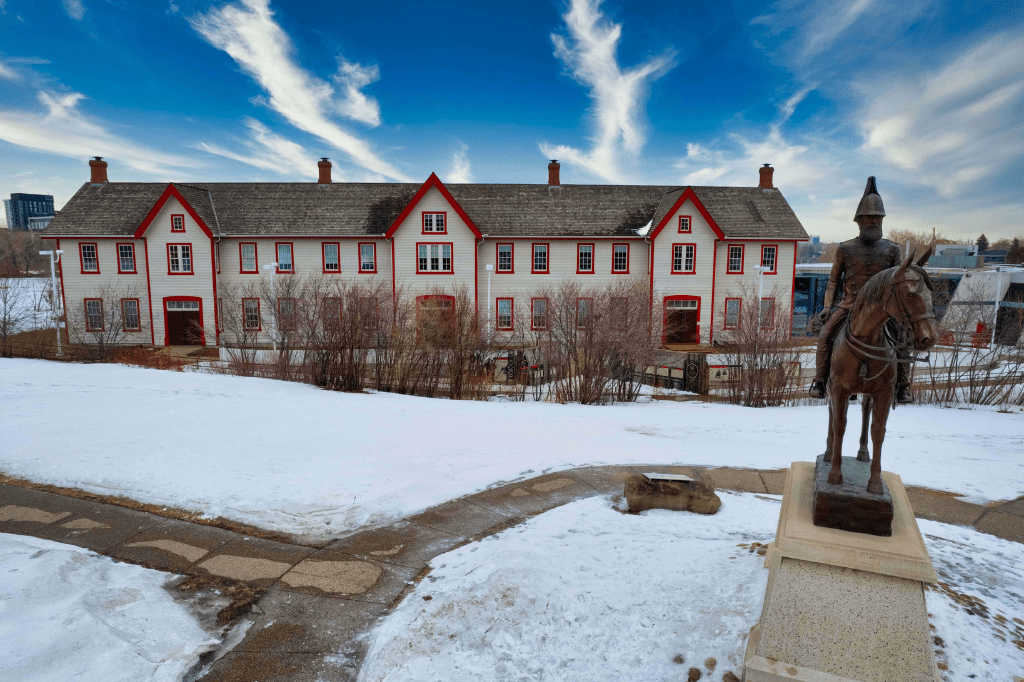
Fort Calgary
The history of the city began with the fort, which is why this architectural landmark opens our selection. The North-West Mounted Police (NWMP) built Fort Calgary in 1875. The main purpose of the construction was to establish order in the region, stop the illegal liquor trade, and strengthen the Canadian government’s presence.
The fort became the centre of the settlement that would eventually grow into Calgary. Today, the site is a museum and historic landmark. By visiting, you can learn more about the city’s early years and how early residents interacted with the police. You’ll discover more about where Calgary comes from and what life was like for Indigenous peoples and the first settlers. Museum exhibits include artifacts, photographs, and interactive displays. Furthermore, Fort Calgary offers various cultural programs, such as tours, lectures, and historical reenactments.
Historic Restaurants
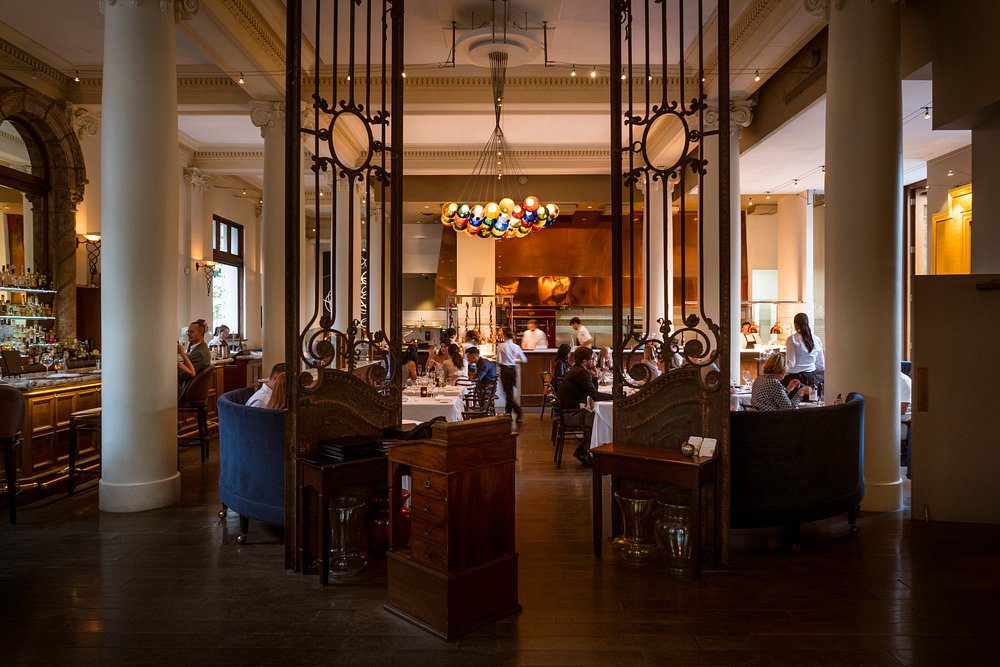
You have the opportunity to immerse yourself in a piece of Calgary’s past by adding a visit to one of the city’s historic restaurants to your itinerary. They are often located near houses with rich histories. Visitors can be transported back in time while savouring local cuisine. Here are a few examples:
- Rouge, located in the historic Cross House, which was built in 1891 by one of the founders of the Calgary Stampede. The concept of this establishment is “farm to table,” emphasizing local and seasonal ingredients. Thanks to this concept and the historic building, visitors can enjoy the authentic taste of Alberta. The restaurant has a cozy and elegant atmosphere, ideal for special occasions.
- Another example is Teatro, an Italian restaurant situated in the Dominion Bank Building. This structure is a wonderful example of 20th-century architecture, built in 1911. The restaurant is distinguished by its elegant and refined interior, helping to create a romantic and festive atmosphere.
These establishments are easily accessible by car or public transit.
The CORE Shopping Centre
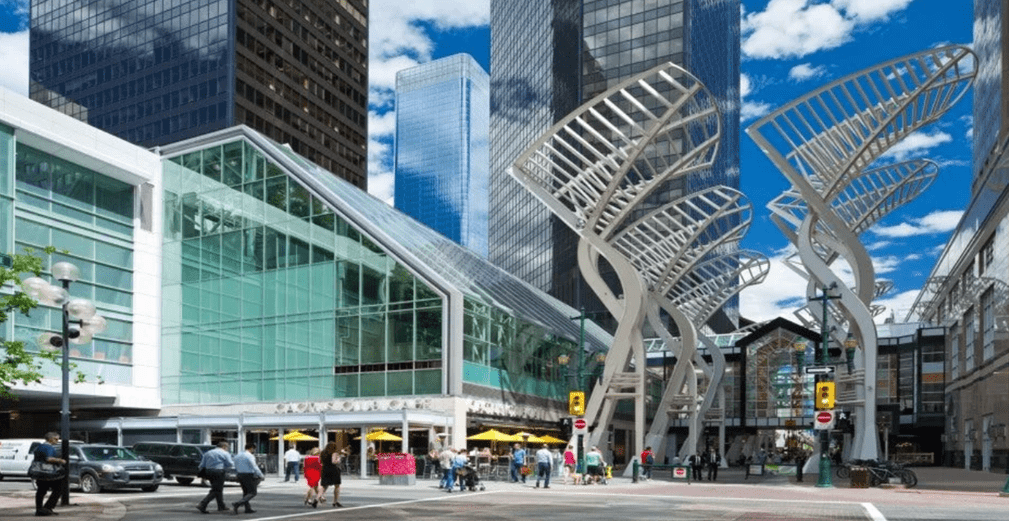
This is another example of a hidden architectural gem located downtown. It is a modern shopping centre with a wide selection of stores, spanning three city blocks and incorporating four major office towers: TD Canada Trust Tower, Home Oil Tower, Dome Tower, and the historic Lancaster Building.
The history of this site is complex and fascinating. It began with the opening of the Eaton’s department store on one city block in 1929. A second block was added when the adjacent TD Square was joined to the east in 1977. The third block was incorporated after Eaton’s relocated to the west in 1990, and the vacated city block was redeveloped into the Calgary Eaton Centre. This is how one large retail centre spanning three blocks was formed. The three-year renovation project was completed in 2011. The project included the installation of the world’s largest structural glass skylight with point support. Architects and designers from MMC Architects and GH+A Design Studios worked on the project.
The CORE Shopping Centre is located in downtown Calgary, easily accessible by public transport or car. It is open year-round, with extended hours on holidays and weekends. It is a true architectural gem of Calgary, combining modern design, functionality, and integration with the urban space.
The main attraction is on the top floor: the secret garden, or Devonian Gardens. This is an indoor botanical garden with views visible through a suspended glass window. It features one hectare of botanical gardens, including over 500 trees, 50 varieties of plants, a 900-square-foot living wall, fountains, fish ponds, and a climbing playground for children.
National Music Centre (NMC)
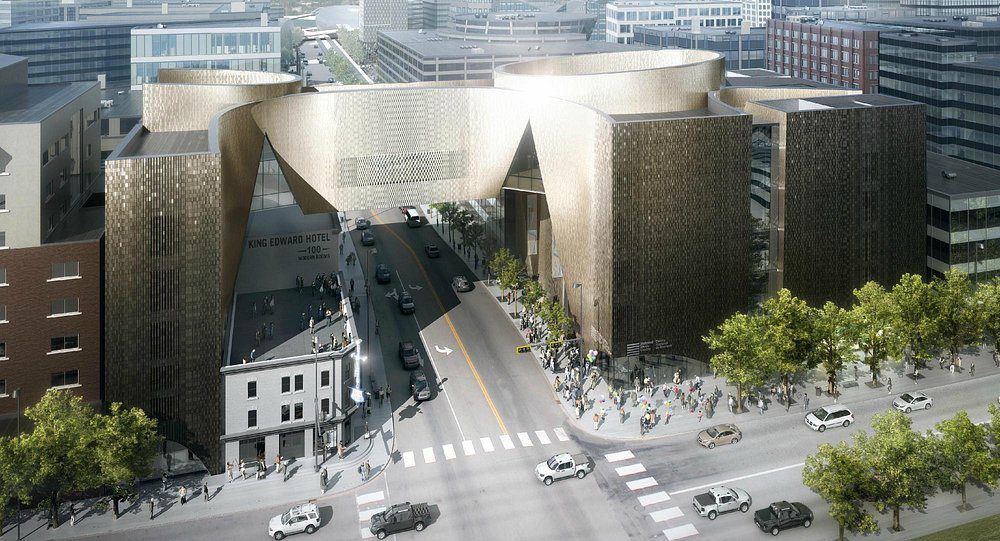
This cultural institution celebrates and preserves Canada’s rich musical history. The building houses a museum, performance venues, and the famous Studio Bell recording studio.
The National Music Centre is a worthy addition to your itinerary, allowing you to immerse yourself in the world of music. It offers a unique interactive experience right in the city centre. The centre simultaneously functions as a performance hall, museum, interactive music education facility, recording studio, and broadcasting hub.
The building was created as a series of nine interconnected towers showcasing diverse programs, collections, and offerings. Allied Works Architecture developed the design. The structure incorporated the legendary historic King Edward Hotel, a local blues venue, while providing new space for the Cantos Music Foundation.
The centre is open from Wednesday to Sunday, 10:00 AM to 5:00 PM.
Udderly Art Pasture
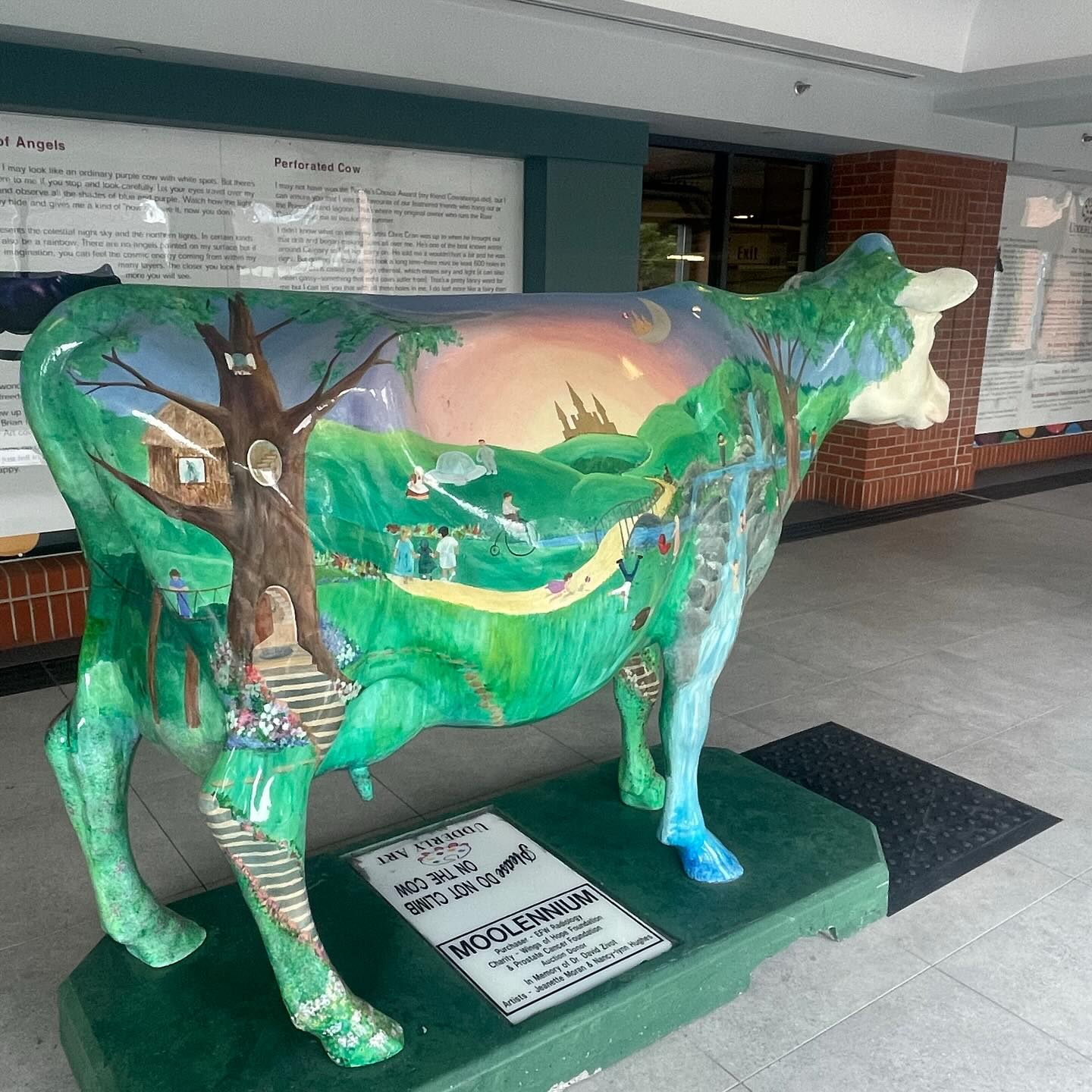
This is a hidden Calgary gem that successfully combines art, agriculture, and nature. Here, you can find a collection of cow sculptures and discover the creative work of local and international artists.
The history, architecture, and content of this place are sure to capture your interest. Calgary is famously associated with the Wild West lifestyle, cowboys, and the rodeo. For many years, Calgary was known as the city with the largest number of beef producers in Canada. In 2000, a charity arts organization launched a major city-wide installation, decorating Calgary with life-sized cow statues. The project was named “Udderly Art” in memory of the city’s past. The exhibition garnered significant visitor interest. Shortly after, the statues were manufactured in white and sold to individual companies for $5,000 (per cow). The new owners then personalized the cows with artists, developing unique designs. In total, 125 of these colourful cows could be seen almost everywhere in the city.
They were later sold at auction, raising over $1.2 million for charities in Canada and the U.S. Most of the pieces were sold to private buyers, but 17 can still be seen at the Udderly Art Legacy Pasture near the Centennial Parkade.
Travelling Light
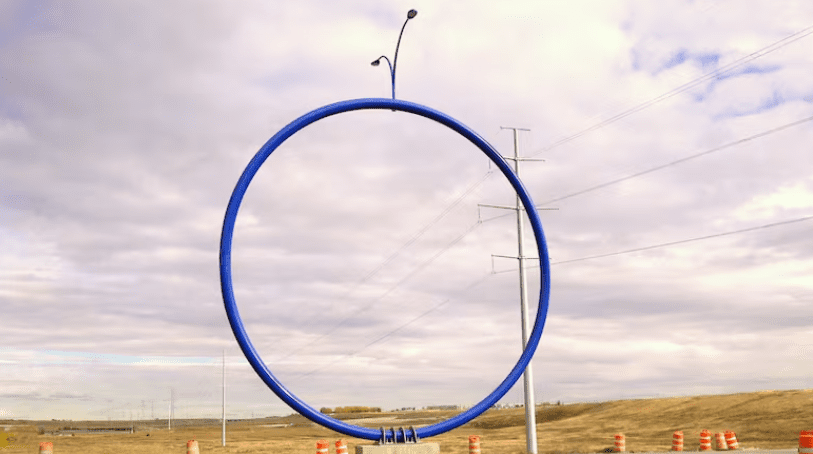
This is a public art installation in Calgary—a thought-provoking, 17-metre blue ring with streetlights attached. The artwork is located downtown. Travelling Light cost $470,000 and sparked a sharp reaction from local residents.
The gigantic blue ring on the overpass at Deerfoot Trail and 96th Avenue NE constantly grabs the attention of drivers.
Which to Choose?
One or several of the places listed above will appeal to Calgarians or visitors who are tired of exploring traditional tourist destinations.
This city offers a wide range of possibilities: from natural beauty to architectural and cultural treasures. Where to start? The choice may be difficult, but you will figure it out. This roundup is designed to guide locals and guests of Calgary to unconventional places so you can have a truly unique experience.
Sources:
- https://retail-insider.com/mall-tours/2021/04/retail-profile-the-core-shopping-centre-in-downtown-calgary-spring-2021/
- https://alliedworks.com/projects/national-music-centre-canada
- https://www.atlasobscura.com/places/udderly-art-pasture
- https://www.cbc.ca/news/canada/calgary/blue-ring-artists-surprised-by-reaction-to-installation-1.1991453